
CNA Blog
Exam prep guides, clinical insights, and certification advice for nursing assistant candidates.

Subjective Observation in CNA Practice: What to Document
Learn what subjective observation means in CNA practice, how to document it correctly, and why it matters for patient care and exam success.
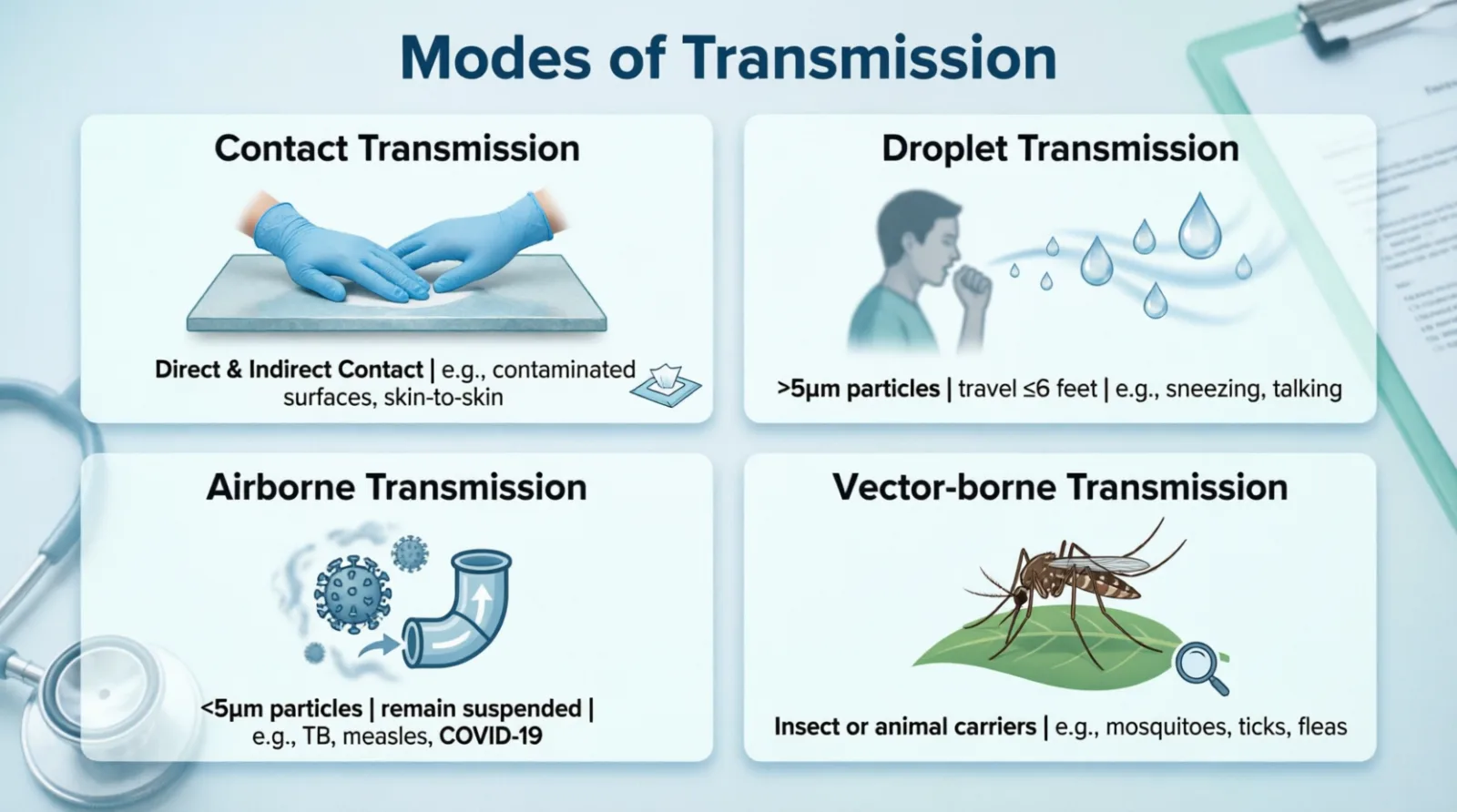
Modes of Transmission: CNA Infection Control Guide
Learn the modes of transmission for CNA infection control, including contact, droplet, airborne, and vehicle routes, to keep residents and yourself safe.
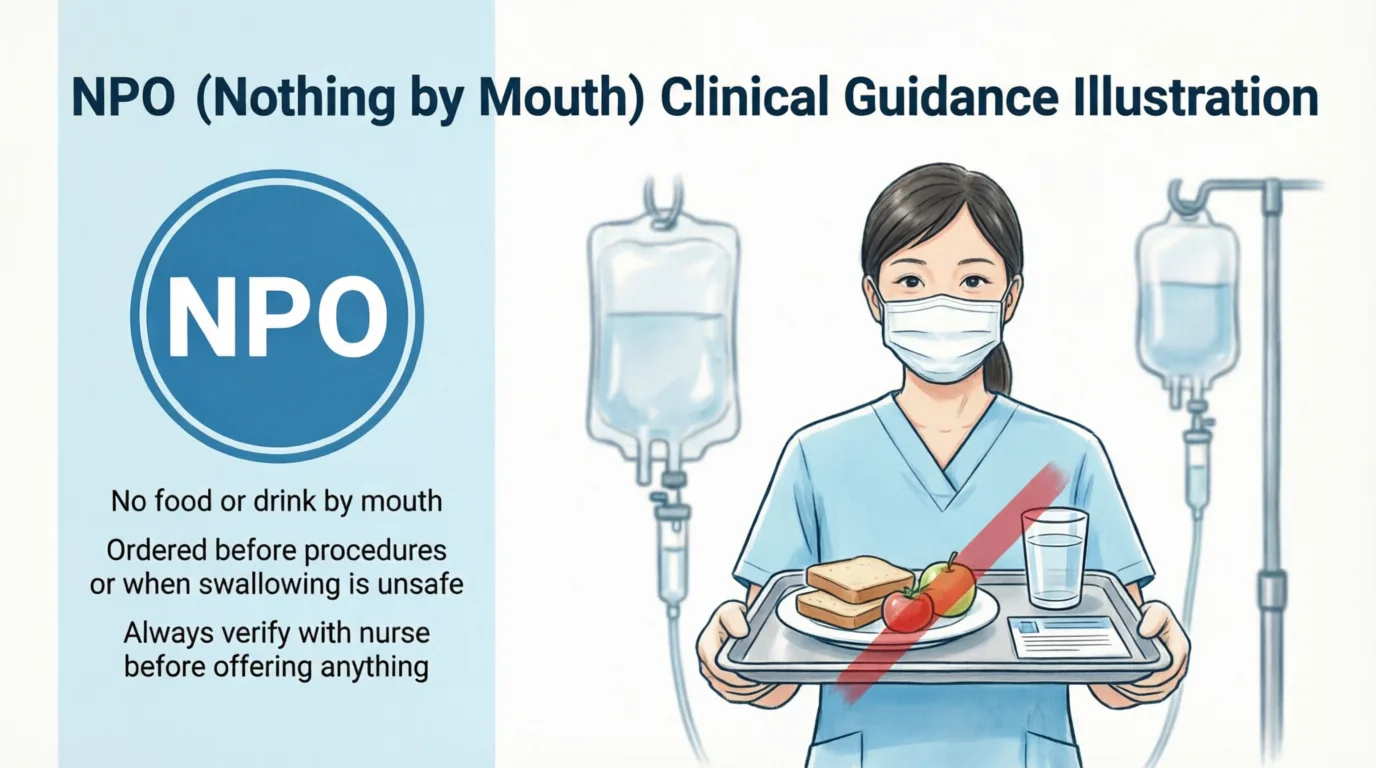
NPO CNA: What It Means and Why It Matters for Nurse Aides
Learn what NPO means in CNA practice, why it's crucial for patient safety, and how to apply it during clinical skills and exams.
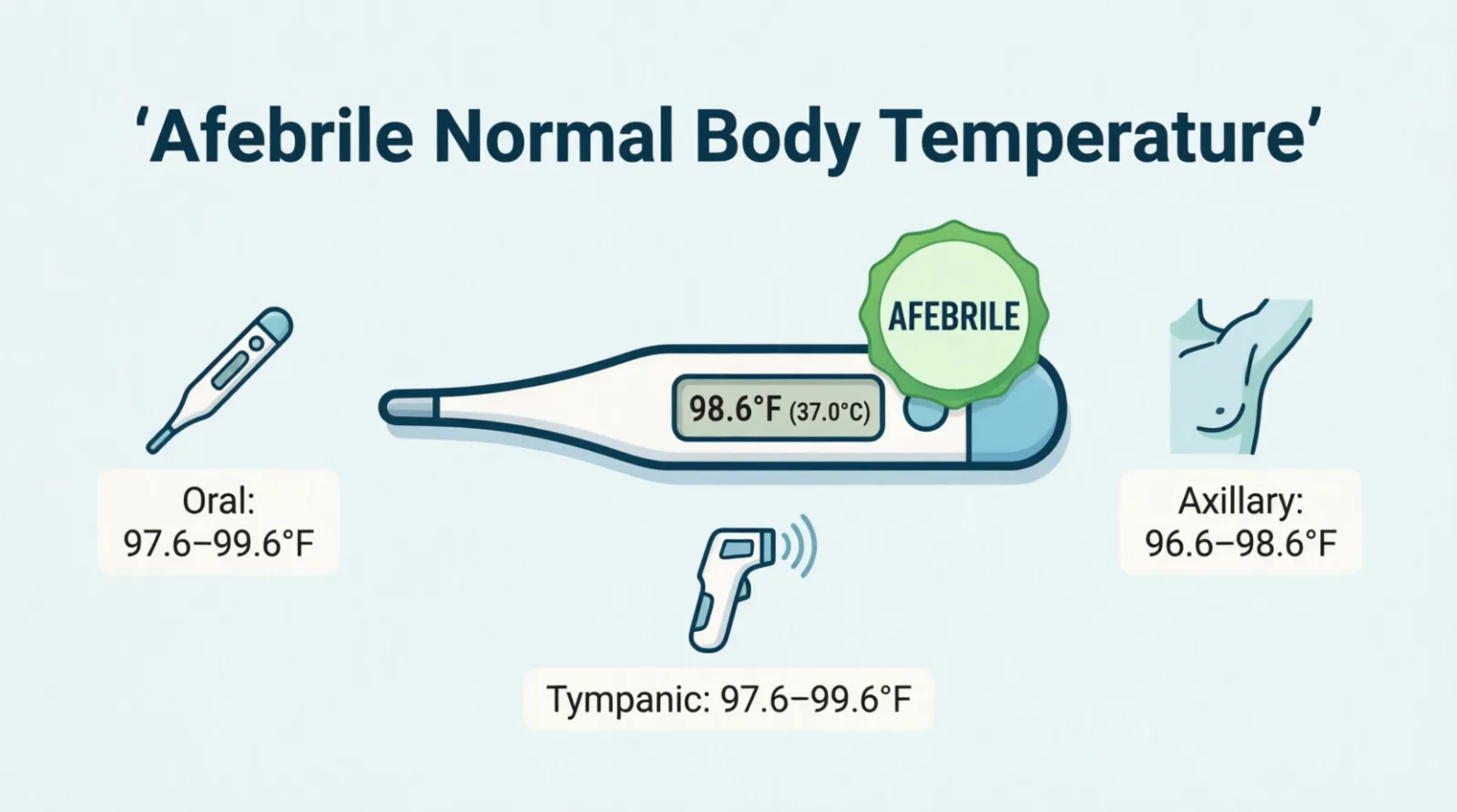
What Is Considered Afebrile? CNA Guide to Normal Temperature
Afebrile means a body temperature within the normal range, typically below 100.4°F (38°C), and is a key concept for CNA students.
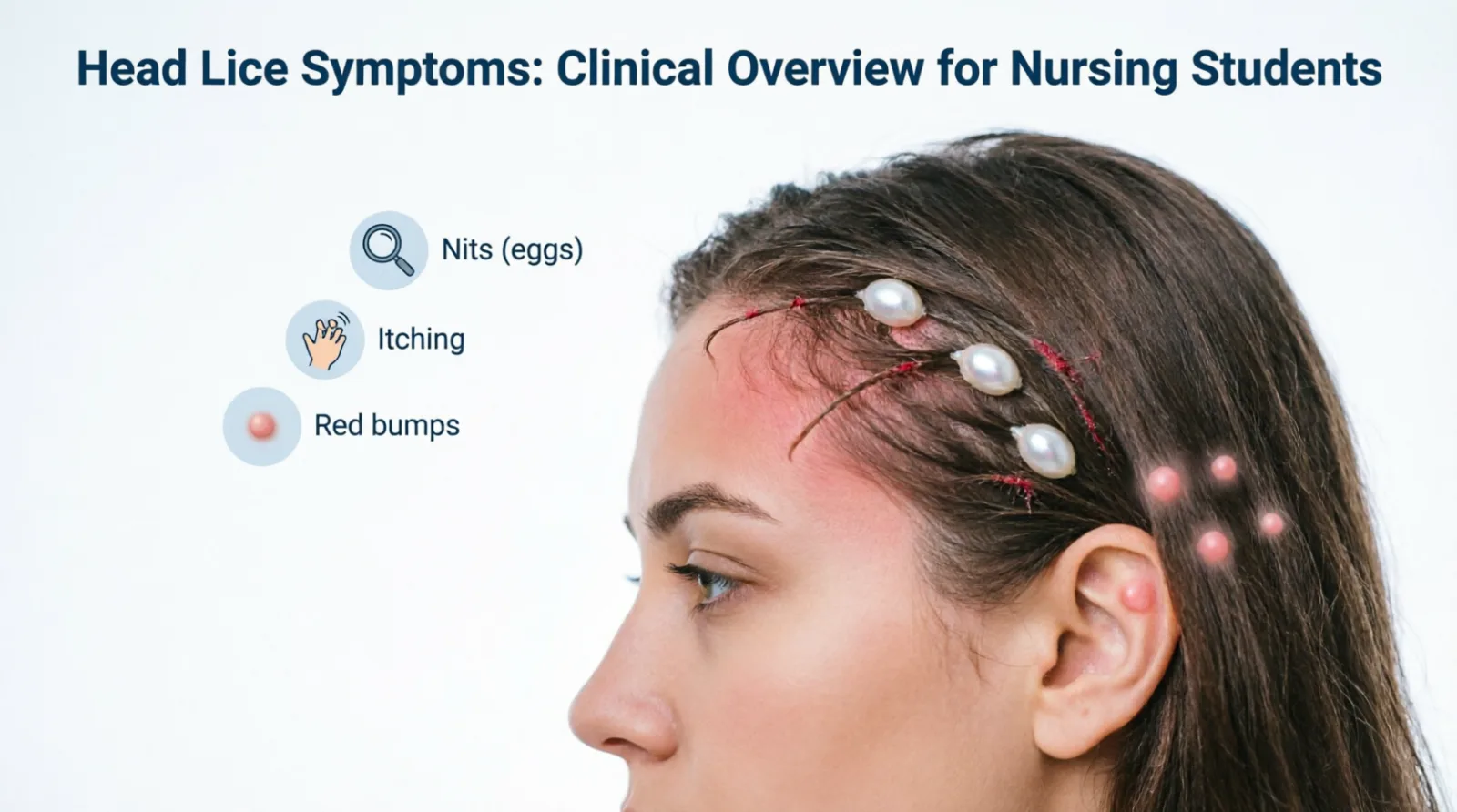
Lice Symptoms: What CNA Students Need to Know
Learn to recognize lice symptoms in residents, including itching, nits, and skin irritation, essential for CNA clinical skills and infection control.
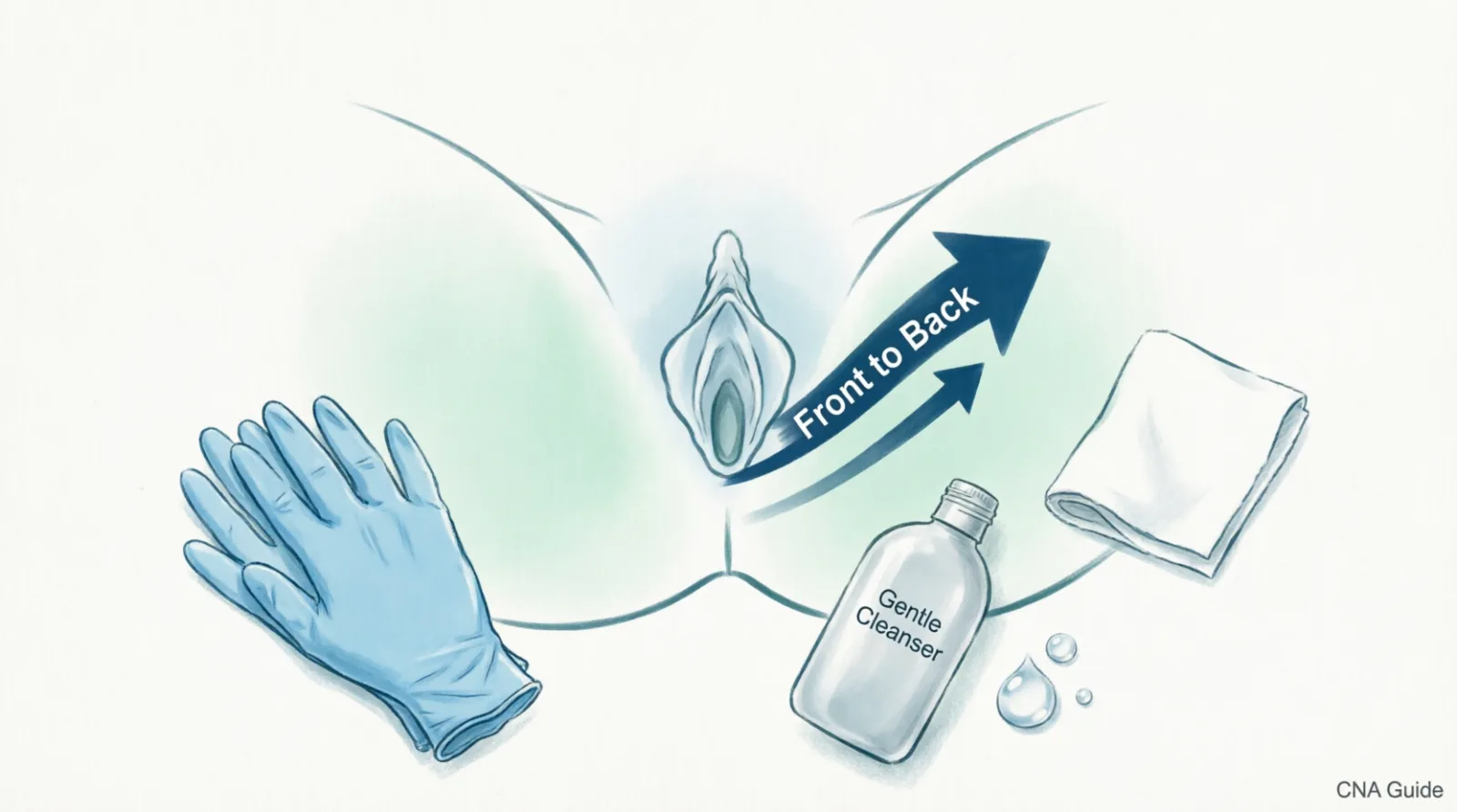
Prevent Bacteria Spread in Female Peri Care: CNA Guide
Learn how to prevent the spread of bacteria when performing female peri care with proven CNA techniques and infection control steps.

Radial Pulse: CNA Clinical Skills Guide for Accurate Measurement
Learn how to measure radial pulse accurately as a CNA, including step-by-step technique, normal ranges, and common mistakes to avoid.

CNA Post Mortem Care: Step-by-Step Guide for Nurse Aides
Learn CNA post mortem care steps, including body positioning, dignity, documentation, and what to expect on the exam.
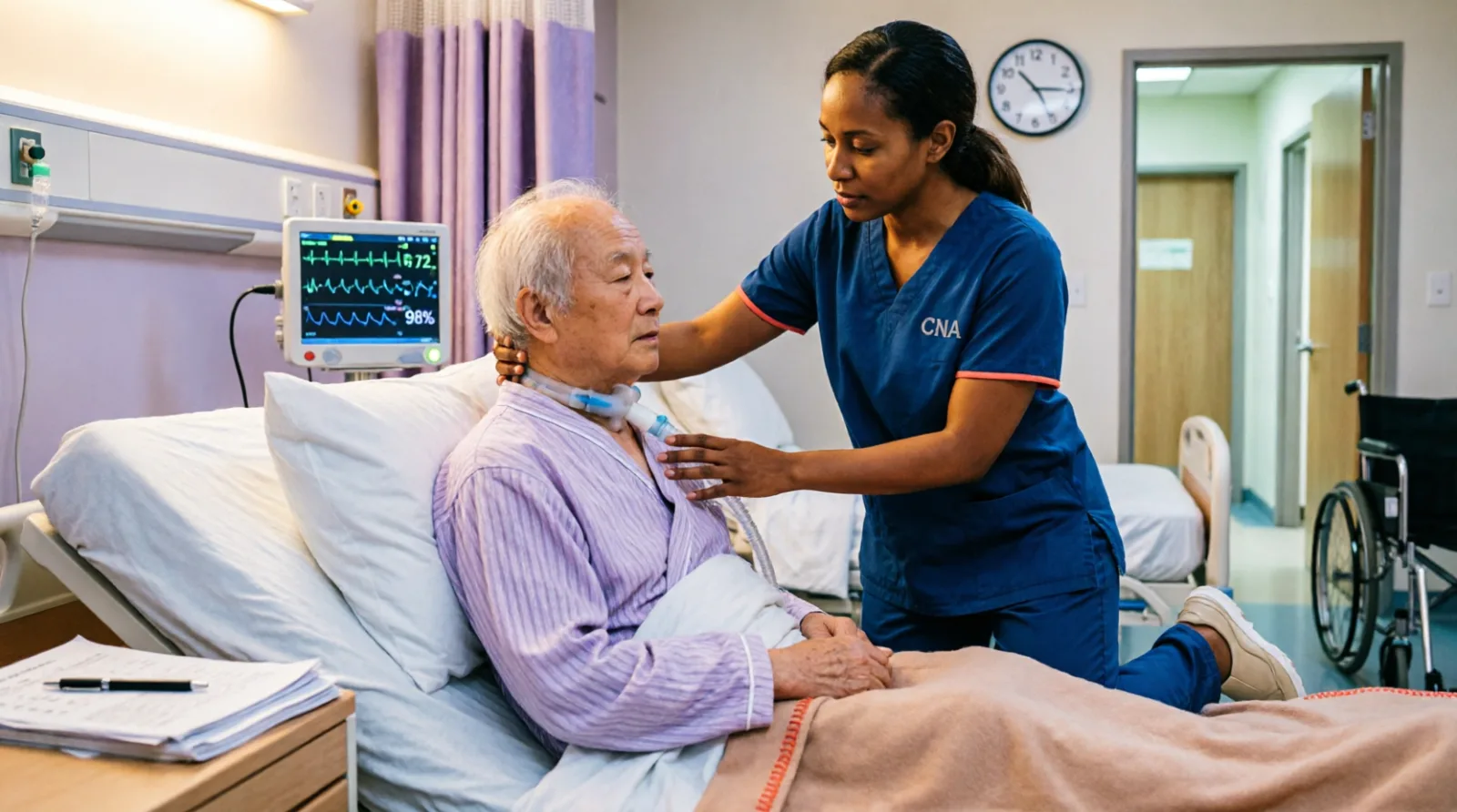
What Is the Hardest CNA Job? Insights & Tips
Discover what makes certain CNA jobs hardest, from physical demands to emotional stress, plus tips to handle them.
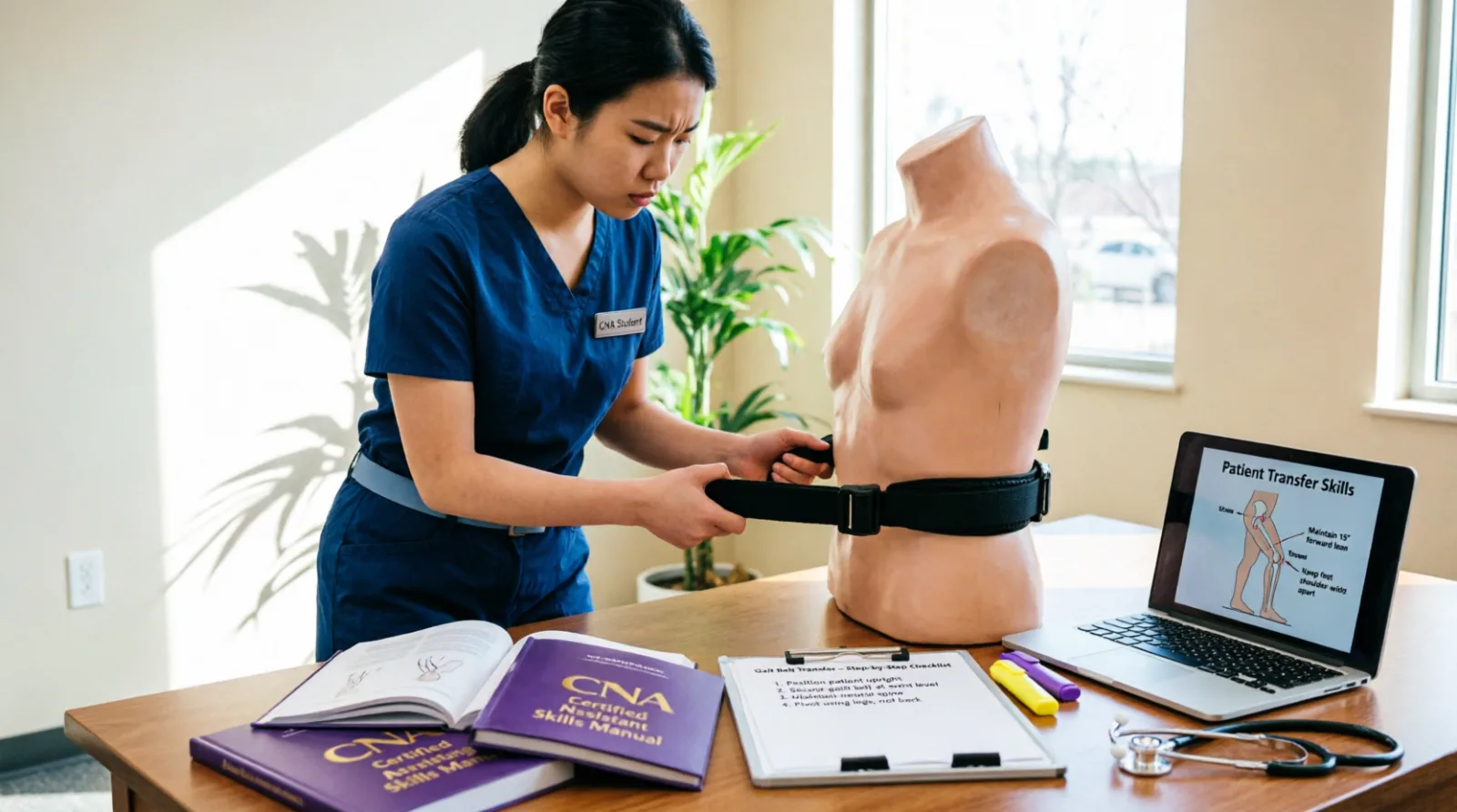
What Is the Hardest CNA Skill? Top Challenges & Tips
Most CNA instructors and students agree: perineal care (peri-care) ranks among the hardest skills. It requires meticulous technique, and infection prevention.